Install Aluminium Roof Lanterns for Contemporary Design
Benefits Modern Roof Lanterns Are Must-Have for Contemporary Homes
Modern roof lanterns have established themselves as critical elements in contemporary homes. They assist in enhancing ambient light, establishing welcoming spaces that fuse indoor and outdoor environments. Beyond aesthetic qualities, these structures present energy efficiency that can yield savings on costs. As homeowners explore forward-thinking options to strengthen their living spaces, the significance of roof lanterns becomes ever more paramount. What are the unique benefits and styles that render them a strong choice for today's residences?
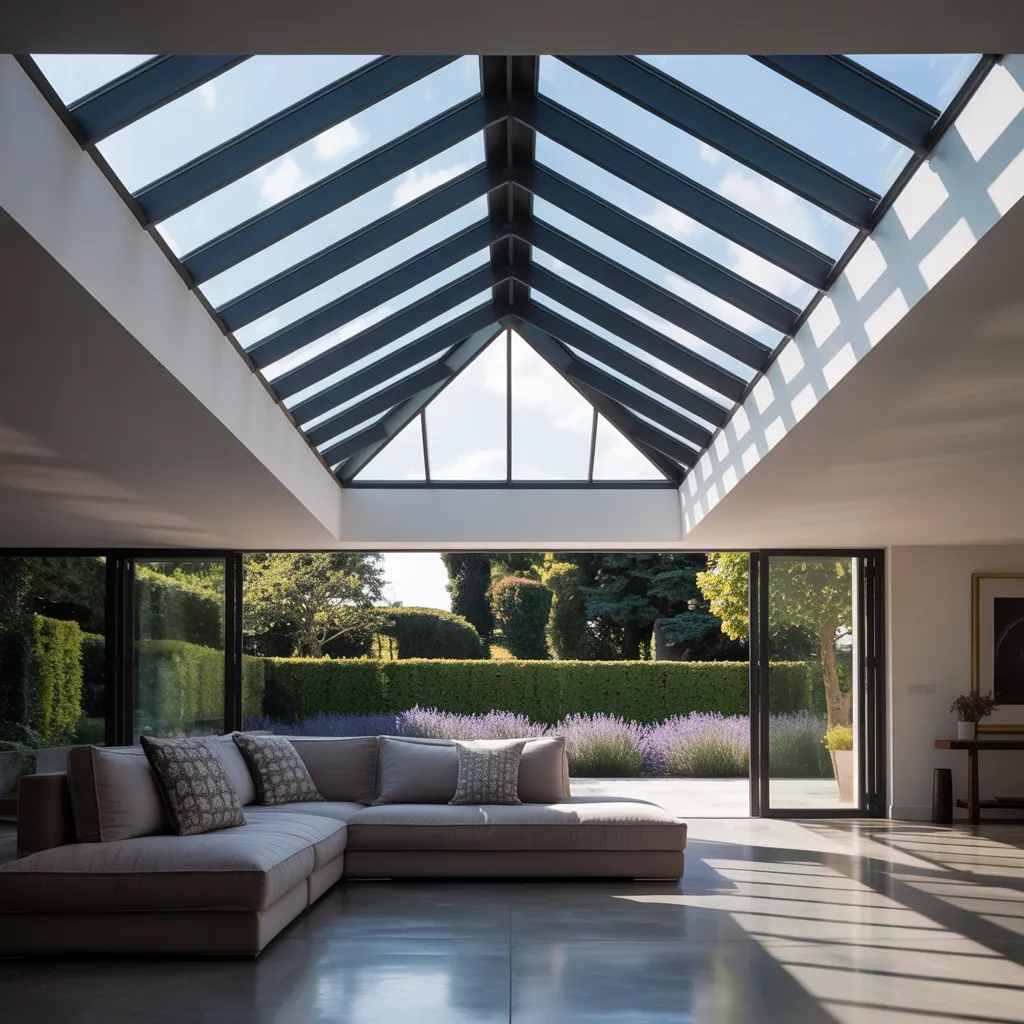
The Value of Natural Light In Your Home
While many homeowners strive for ways to refine their home interiors, the value of natural light often escape notice. Ambient light has a marked bearing on the tone and functionality of a home. It not only floods spaces but also imparts an inviting atmosphere, instilling a sense of well-being. Intake to sunlight is known to lift spirits and energy levels, making rooms feel more radiant and alive.
In addition, natural light can lower dependence on artificial lighting, resulting in potential energy savings. It assists in showing off architectural elements and decor, enhancing the overall aesthetic appeal of a home. Also, daylight can help better indoor air quality by stimulating ventilation when windows are opened. By utilizing daylight, homeowners can create pleasant spaces that promote comfort and health, ultimately changing the way they experience their living environments.

The Ways Roof Lanterns Maximize Space and Beauty
Roof lanterns greatly improve space and appearance in current homes. By facilitating copious natural light to seep deep into living areas, these design components create an perception of airiness and space. This influx of light not only illuminates interiors but also emphasizes design elements, making rooms look more inviting and airy.
Furthermore, roof lanterns function as compelling focal features, imparting a suggestion of elegance and poise to architectural designs. Their polished finishes and diverse selections, from basic to intricate, can harmonize with a wide variety of home design concepts. The dynamic relationship between light and shadow engineered by roof lanterns meaningfully deepens the aesthetic dimension, accentuating patterns and tones throughout the setting.
In addition to their visual appeal, roof lanterns can seamlessly connect indoor and outdoor environments, creating a sense of unity. This harmonious blend of practicality and elegance makes roof lanterns an essential element in the design of contemporary homes.
How Roof Lanterns Reduce Energy and Expenses
By maximizing natural light, roof lanterns decrease the requirement for electric lights, producing significant financial benefits. This wealth of daylight brightens interiors and minimizes electricity usage, particularly during daylight hours. As a result, homeowners can enjoy lower utility bills while promoting a eco-friendly environment.
Furthermore, roof lanterns can increase heat retention. Many modern styles provide double or triple glazing, which maintains heat during colder months and minimize heat gain in the summer. This thermal control can reduce demand for heating and cooling systems, further decreasing energy costs.
Furthermore, the aesthetic charm of roof lanterns can raise a property's market value, making them a worthwhile investment. Overall, the blend of lower energy consumption and extended economic rewards illustrates why roof lanterns are an important addition for contemporary homes.
The Finest Roof Lantern Types for Your Home
Picking the suitable style of roof lantern can considerably enhance both the aesthetic and functional elements of a contemporary home. Different styles fit various architectural preferences. For example, traditional pyramid-shaped lanterns provide a timeless elegance, while flat or pitched shapes can complement minimalist aesthetics. Skillion lanterns, with their sloped roofs, deliver a innovative twist, allowing for ideal light diffusion.
Moreover, the choice of materials plays a significant role. Aluminum frames are popular for their robustness and refined appearance, whereas wooden frames can contribute warmth and character. Adjustable selections, such as size and glazing, enable homeowners to tailor lanterns to their specific needs.
In addition, geometric designs, including octagonal or hexagonal shapes, can create a striking focal point, amplifying both natural light and visual interest. Ultimately, determining the right roof lantern style not only upgrades the home's design but also boosts its functional benefits.
Roof Lanterns Setup Steps
Setting up roof lanterns entails a clear knowledge of essential tools and a systematic process. Meticulous preparation assures a successful installation, enhancing both aesthetics and operation. This section outlines the necessary materials and detailed instructions for achieving ideal results.
Vital Tools Needed
A variety of important equipment is required for the proper installation of roof lanterns. First, a measuring tape provides accurate dimensions for the lantern and the roof opening. A spirit level is essential for verifying that the lantern will sit evenly. A power drill, along with appropriate drill bits, is required for creating holes for screws and fittings. Additionally, a saw, typically a circular saw, may be required for cutting the roof structure if modifications are necessary. Safety gear, including gloves and goggles, is also important to protect the installer. Finally, a silicone sealant gun is crucial for applying waterproof sealant around the edges, ensuring a secure and weatherproof installation. Each tool is important in achieving a professional finish.
Step-By-Step Implementation Guide
Initiate the installation of roof lanterns by organizing the workspace and confirming all tools are ready. First, take away the existing roof material cautiously to avoid damage to the surrounding area. Next, assemble a support frame, confirming it is straight and securely attached to the roof structure. After the frame is secured, install a waterproof membrane to prevent leaks. Carefully place the roof lantern onto the frame, aligning it properly. Fasten the lantern using screws or brackets as recommended by the manufacturer. Following installation, check for any gaps and fill them with appropriate weatherproofing materials. Finally, replace the surrounding roofing material, ensuring a seamless finish. Clean the installed lantern for ideal light transmission and admire the transformation.
Care Recommendations for Extended-Life Roof Lanterns
Keeping roof lanterns in good condition is vital for prolonging their lifespan and maintaining functionality. Implementing a consistent upkeep plan, paired with regular assessments of seals and joints, can help prevent deterioration. Additionally, applying soft cleaners is essential to protect the components.
A frequent cleaning timetable
How often should homeowners clean their roof lanterns to ensure ideal clarity and longevity? Regular cleaning is crucial to maintain the aesthetic and functional aspects of roof lanterns. Experts suggest a biannual cleaning schedule, ideally in spring and autumn. This ensures that any dirt, debris, or accumulated stains are thoroughly eliminated before they become more challenging to handle. Homeowners should use a soft cloth and a gentle cleaner to avoid scratching the glass surface. It's also advantageous to check for any signs of mildew or mold during cleaning, as these can affect both appearance and performance. By adhering to this cleaning routine, homeowners can enhance the lifespan of their roof lanterns and enjoy uninterrupted natural light in their contemporary spaces.
Examine Seals and Joints
Regular checks of seals and joints are essential for the durability of roof lanterns. Over time, these key components can break down because of external conditions, causing likely leaks and structural damage. Homeowners should execute inspections at least twice a year, looking for any signs of decline, including cracks or gaps. Promptly resolving these issues can stop water ingress and preserve the integrity of the lantern. Furthermore, applying correct sealants can improve their longevity and lifespan. This proactive approach not only preserves the roof lantern but also contributes to the overall energy efficiency of the home. Making sure seals and joints are in peak condition is a vital part of roof lantern maintenance.
Evade Abrasive Chemicals
Proper maintenance of roof lanterns extends beyond inspecting seals and joints; it also involves careful cleaning practices. To ensure longevity, it is essential to avoid harsh chemicals that can damage the materials of the lantern. Powerful detergents and abrasive cleaners may cause scratches or degrade the surface over time. Instead, a gentle solution of warm water and mild soap is recommended, allowing for effective cleaning without risking harm. Soft cloths or sponges should be used to avoid scratching the glass or frame. Regular maintenance with suitable cleaning methods will help maintain the aesthetic and functional qualities of roof lanterns, guaranteeing they remain a beautiful feature of contemporary homes for years to come.
Roof Lantern Conversions: Real-Life Examples
A roof lantern substantially transforms both visual appeal and practicality in modern residences. One striking illustration is a London-based family that substituted a traditional skylight with a refined, up-to-date roof lantern in their kitchen. This addition not only flooded the space with daylight but also generated a striking architectural feature acting as a conversation starter.
In another example, a minimalist home in Sydney integrated a large roof lantern above an open-plan living area, seamlessly blending indoor and outdoor environments. This design choice not only improved energy efficiency but also offered stunning views of the night sky.
Moreover, a renovated Victorian house in Manchester showcased a geometric roof lantern that contrasted beautifully with the original architecture, underscoring the harmony between old and new. These real-life transformations demonstrate how roof lanterns can redefine spaces, making them increasingly welcoming and aesthetically pleasing while maximizing natural light.
Often Posed Questions From Users
Do Roof Lanterns Function for All Varieties of Roofs?
Roof lanterns can be perfect for various roof types, including flat, pitched, and vaulted roofs. However, correct installation and thoughtful design planning are crucial to secure functionality and aesthetic appeal across diverse design approaches.
Are overhead skylights capable of being added in pre-existing properties?
Roof lanterns can definitely be installed in existing homes, provided structural integrity and design factors are taken into account. Professional assessment guarantees suitability with the existing roof system, enhancing daylight and visual attractiveness without jeopardizing security.
What Materials Do Roof Lanterns Typically Consist Of?
Roof lanterns are typically fabricated using such as aluminum, glass, and polycarbonate. Aluminum provides robust durability, while glass permits sunlight, and polycarbonate offers lightweight and impact-resistant options, guaranteeing versatility and functionality.
Do Roof Lanterns Require Planning Permission?
Roof lanterns commonly do not need planning permission if they follow specific useful information guidelines, such as size and location. However, regulations can vary by area, so consulting local authorities is advisable for clarity.
How well do ceiling skylights handle adverse weather events?
Roof lanterns are designed to endure extreme weather, featuring durable materials and robust construction. Proper placement and servicing enhance their performance, guaranteeing they resist heavy winds, rain, and snow while maintaining structural integrity and aesthetics.